When to go, place by place
Spring and autumn suit almost everywhere. The sea, the high pastures and the holidays keep calendars of their own: each place in its season, and how to put two of them together.
Four things decide the timing of a journey here more than the month does: the weather for walking, the sea and its summer wind, the high pastures, which open only in summer, and the religious holidays, which move every year.
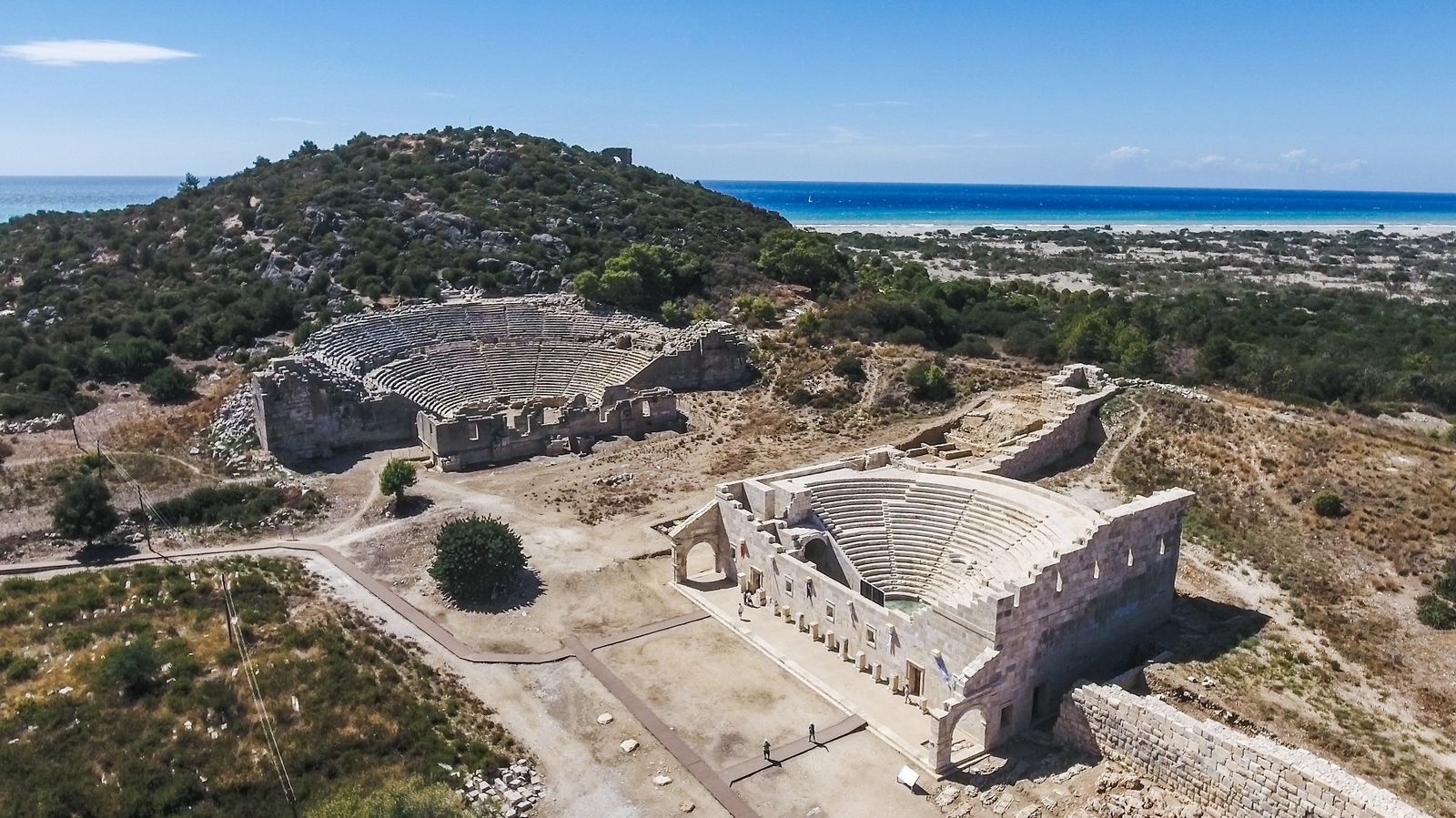
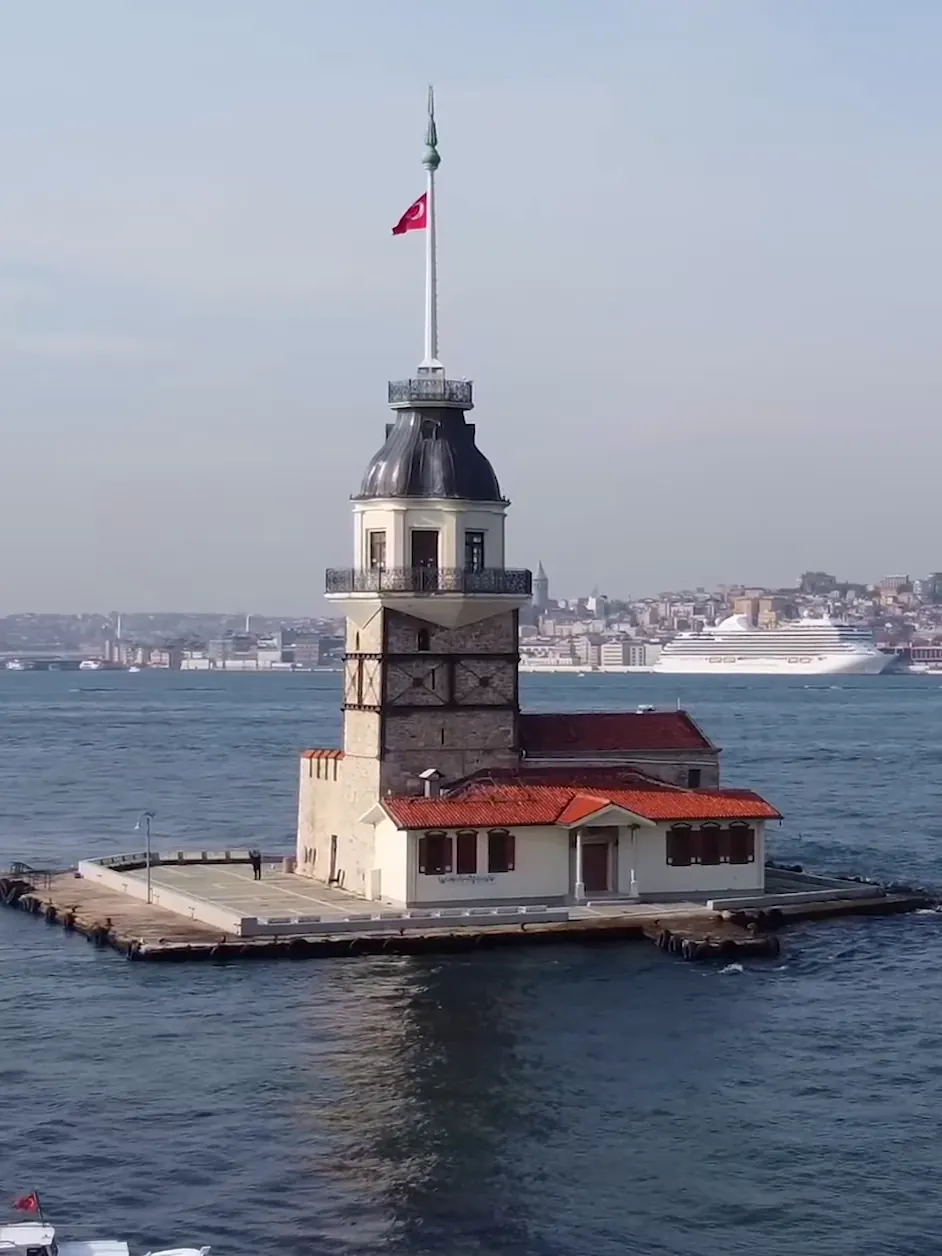
Walking weather is the simplest of the four. Istanbul and Cappadocia keep the same season, April to June and September to November, and the ancient cities of Lycia are easiest in those months too; in July and August they are walked at either end of the day, never at noon. The two halves are not quite equal. Spring has the longer evenings and, in April, the tulips of Istanbul: they fill the city’s parks, Emirgan’s above the Bosphorus most of all. Autumn has the warmer sea.
The sea keeps its own calendar
Bodrum’s season is May to October; on the Lycian coast of Antalya it runs from April to November, and on both the sea is warmest from July to September. The extra month at each end in the south is the Mediterranean’s doing: on the state meteorological service’s long-run averages, it is as warm in October as the Aegean is in August.
July and August are the hottest weeks and the fullest. On the Lycian coast the answer is the clock: out by boat early, before the coves fill. On the Aegean the heat comes with a wind. The meltem, the summer north wind, blows from about mid-May to mid-September, hardest in July and August. It is usually strongest in the afternoon and eases by night, though in high summer it can blow for days without a break. It cools Bodrum’s afternoons and decides which coves are calm enough to anchor in, which is why a day on a gulet takes its route from the season and the wind.
June and September give the warm water with less of the wind and fewer of the crowds. If the sea matters, they are the months to aim for.
High summer and the low season
When the coast is at its hottest, go up. The eastern Black Sea’s season is June to September, when the high pastures are open: the yaylas, where families still take their herds once the snow has gone, often with the clouds settled in the valleys below. It is a wet coast. Rize, on the wettest coast in Türkiye, has rain in every month, so any day in the mountains needs a second plan. In August the hazelnut harvest begins on the hills nearer the sea, on dates each province sets, the lower orchards first.
Cappadocia is hot by day in July and August, but Göreme stands at about 1,100 metres and the nights are cool. The day starts early, rests through the middle and goes out again in the evening. Istanbul in high summer is hot rather than impossible, about 30 degrees by day on the averages; spend its evenings on the water.
Winter has its reasons too. Istanbul from December to February is grey and often wet. It is also the city’s low season, so the queues are shorter, and the fish of the season is hamsi, the Black Sea anchovy. Cappadocia from December to March can lie under snow, and the balloons still fly on the mornings when the wind allows. The coast is the place to leave out: the sea is at its coldest, and much of what lives on summer is shut until spring.
The dates that move
Ramadan and the two religious holidays, the bayrams, follow the lunar calendar, so they come about 11 days earlier each year and, over a generation, pass through every season. Ramazan Bayramı ends the month of fasting; Kurban Bayramı, the Feast of the Sacrifice, comes about 10 weeks later. The Presidency of Religious Affairs publishes the dates well in advance, so check them for your year before anything else is fixed.
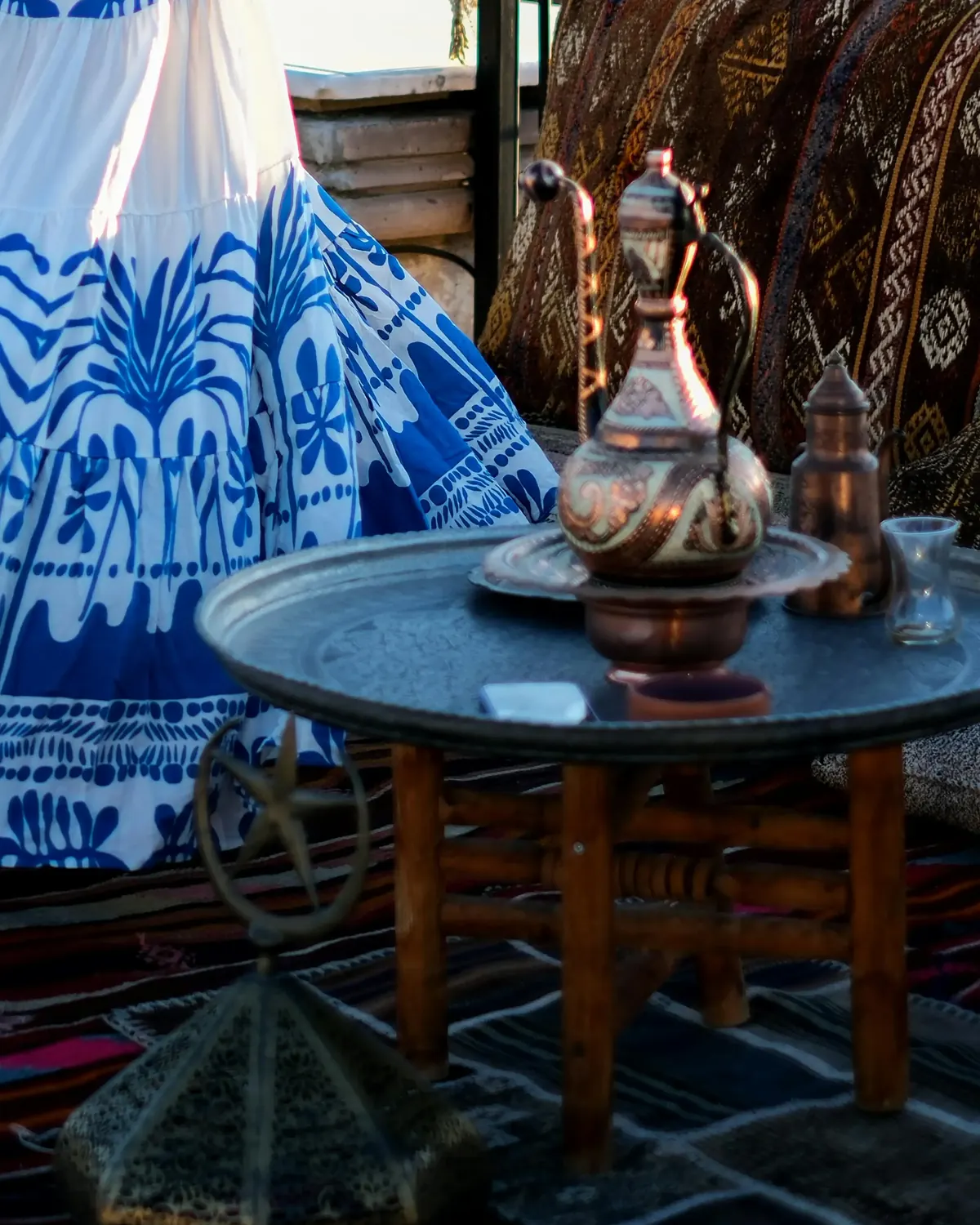
In Istanbul, Ramadan changes the evenings more than the days. At sunset the city sits down to iftar, the meal that breaks the fast, and the great mosques hang mahya, words written in lights, between their minarets.
The bayrams are public holidays, three days for the first and four for the second, and in some years the government adds bridging days for its staff, making nine. Turkish families travel, coastal hotels fill weeks ahead, and the state museums and sites stay closed on the first morning. The school summer holidays do the same at greater length: from late June until September, the coast is full.
Which places go together
With every other place here under two hours by air from Istanbul, the city pairs easily with any of them.
In spring, Istanbul and Cappadocia: four nights and three, so that one spare dawn is in the plan for a balloon to yourselves. From late May, once the Mediterranean has passed 20 degrees, the Lycian coast can follow. Put it last, because the sea gains about 3 degrees between May and June. June is Istanbul with Bodrum or Kaş. In July and August, pair the city with the Black Sea’s pastures, or take the coast early and late in the day and leave the middle of it to the shade.
September suits the coast: the sea is still warm, and the coves empty once the schools are back. Take the coast first, while the water still holds the summer, and Istanbul and Cappadocia after it. October and November are for walking: Istanbul, Cappadocia and Lycia, 10 or 11 nights in all. Winter is Istanbul and Cappadocia’s snow, three nights each.
If you go
- When
- For the cities and the sea together, late May to mid-June, or mid-September to mid-October.
- Getting there
- About an hour and a quarter by air from Istanbul to Antalya or Dalaman, Milas–Bodrum, and Kayseri or Nevşehir; about an hour and three quarters to Trabzon.
- Worth knowing
- Check your dates against Ramadan and the two bayrams before booking flights.
- With us
- The hazelnut harvest, with a family, in August and September only.