How Istanbul eats
A breakfast that takes the morning, lunch where the tradesmen eat, something sweet in the afternoon and a long meyhane evening of meze, rakı and the month’s fish. The city’s day in meals, and how to order in each.
Kahvaltı, the Turkish word for breakfast, comes from kahve altı, ‘under coffee’: the food eaten before the first cup. On a weekday it may be no more than a simit, the sesame-crusted ring of bread sold from carts and from trays carried on the head, with a glass of tea. The full table is another matter. It is laid as serpme, a spread of small plates: white cheese and olives; tomatoes and cucumbers; honey with kaymak, which is clotted cream; eggs, fried with sucuk, a spiced sausage, or cooked with tomatoes and peppers as menemen; and tea in tulip-shaped glasses that keep coming.
That table belongs to the weekend. Families and friends go out for it and stay for hours, so the morning should be left to it. The coffee, as the word promises, comes at the end.
Lunch where the tradesmen eat
Lunch is a working meal, and the place for it is the esnaf lokantası, the tradesmen’s restaurant: a plain room where the food is cooked in the morning and kept warm behind glass at the counter. You choose by pointing. The dishes change with the season, but expect vegetables cooked in olive oil and served cool, white beans in tomato sauce with rice pilaf, stews, stuffed peppers, lentil soup and a rice pudding to finish. It is home cooking at fair prices, and the next table is the shopkeepers from the street outside.
Everything is cooked once, so the early customers get the choice; arrive late and the dishes everyone wanted have gone. You find these places wherever people work, in every market quarter and all through the old trading streets below the Grand Bazaar.
Coffee, and something sweet
The city’s first coffee houses were opened in the 1550s by two merchants, one from Aleppo and one from Damascus. UNESCO added Turkish coffee culture and tradition to its list of intangible heritage in 2013. The coffee comes in a small cup, with a glass of water to drink first and often a piece of lokum, Turkish delight.
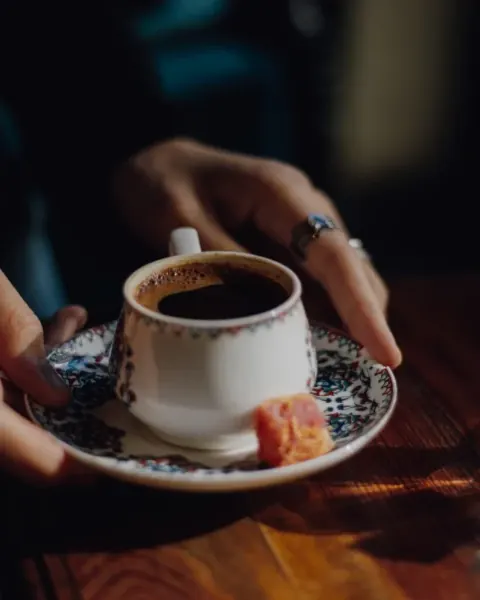
Give the grounds a moment to settle, and stop when you reach them. Afterwards the cup can be turned over on its saucer and the grounds read, which is mostly an occasion for conversation. Coffee made the old way is roasted that morning, ground by hand and brewed slowly in a copper cezve, the small long-handled pot.
Something sweet belongs to the afternoon. Many in the city eat their baklava then, with tea, rather than after a long dinner. Milk puddings come from a muhallebici, a pudding shop: baked rice pudding, and tavuk göğsü, once served to the sultans at Topkapı, made with chicken breast pulled into fine threads and dusted with cinnamon.
A meyhane is not a restaurant
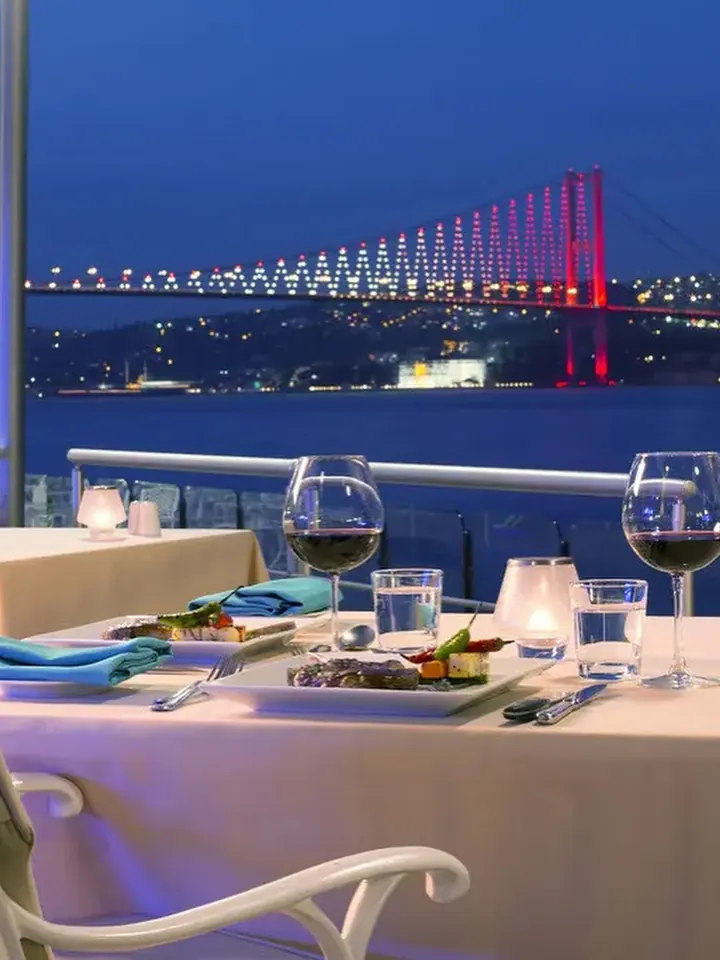
Meyhane is Persian for wine house, though the drink now is mostly rakı, the aniseed spirit that turns white when water is added, which is why it is called aslan sütü, lion’s milk. You do not go to a meyhane for dinner. You go for the evening, and the food is there to keep the conversation going.
The evening has an order. White cheese and melon come first. Then the cold meze, shown to you at the table so that you choose by eye: haydari, thick yoghurt with garlic and herbs; fava, a purée of dried broad beans; samphire with garlic and olive oil; smoked aubergine; lakerda, bonito cured in salt, whose name comes from Byzantine Greek. Then the hot plates; then, if anyone still has room, fish; and fruit to finish.
Which fish depends on the month. In the seas around Istanbul the big purse-seiners stop fishing on 15 April and go out again on 1 September. The autumn belongs to the fish that come down the Bosphorus from the Black Sea: bonito from September, at its fullest by November, then bluefish, which the law protects with a minimum size, later in the autumn and into December. Winter is for anchovy. In summer, with the big nets ashore, much of what is offered is farmed sea bass and bream. They are fine, but ask what came in that morning from the small boats, and expect to be shown the fish before it is cooked.
Three hours is usual, and in some places musicians come round the tables later on. You find meyhanes in the side streets of Beyoğlu, behind the market in Kadıköy on the Asian shore, and along the water.
The whole country on one table
Istanbul eats the whole country. Pistachio baklava is Gaziantep’s: in 2013 it became the first Turkish product protected by name in the European Union. Kebab comes from the south-east: ask for Adana if you want it hot with pepper, and Urfa if you do not. Mantı, tiny dumplings under yoghurt and melted butter, come from Kayseri; anchovy and cornbread from the Black Sea; greens and herbs in olive oil from the Aegean.
They are good here, and they make more sense where they come from. In the yaylas, the high summer pastures above the Black Sea, lunch at a family’s table from June to September is butter, cornbread, fresh cheese and muhlama, cheese melted with cornmeal. In Cappadocia, where the white Emir grape grows, there is a winemaker’s table in the rock.
If you go
- Breakfast
- At weekends, plan nothing before eleven.
- Lunch
- An esnaf lokantası at noon, while the counter is still full.
- Fish
- From September into the winter, when the big boats are out.
- The meyhane
- Book a table for about eight, and keep the next morning free.